Smart Campus Access Project of a Group

-
Client Profile
The Group is a globally renowned home appliance manufacturing and smart home enterprise, with large industrial parks and tens of thousands of employees. The parks have numerous entrances and exits and a complex personnel structure, including regular employees, outsourced personnel, and a large number of visitors. To improve the overall security level and access efficiency of the parks, Haier comprehensively upgraded its traditional card-based access control system and introduced an intelligent facial recognition access system. It is one of the projects with the largest single-campus deployment scale in the industry, and has established long-term cooperation with SenseTime, expanding capacity year by year.
-
Customer pain points
Access efficiency bottleneck: During peak commuting hours, the parks have huge foot traffic. The traditional card-swiping method requires queuing, resulting in low efficiency and frequent congestion.
Lax identity verification: IC cards are easily lost, lent out, or copied, leading to security risks where strangers can blend into the campus.
Silos of multiple devices and systems: Devices in old and new campuses are of various models, and the traditional all-in-one card system struggles to achieve cross-regional unified standardized management and data interoperability.
Cumbersome visitor management: Visitors need on-site manual registration and confirmation, making the process slow, affecting experience, and posing security vulnerabilities.
High expansion pressure: As campus scale and personnel numbers continue to grow, the original system cannot support the future concurrent access needs of thousands of new devices and a larger-scale personnel.
-
Cooperation Plan
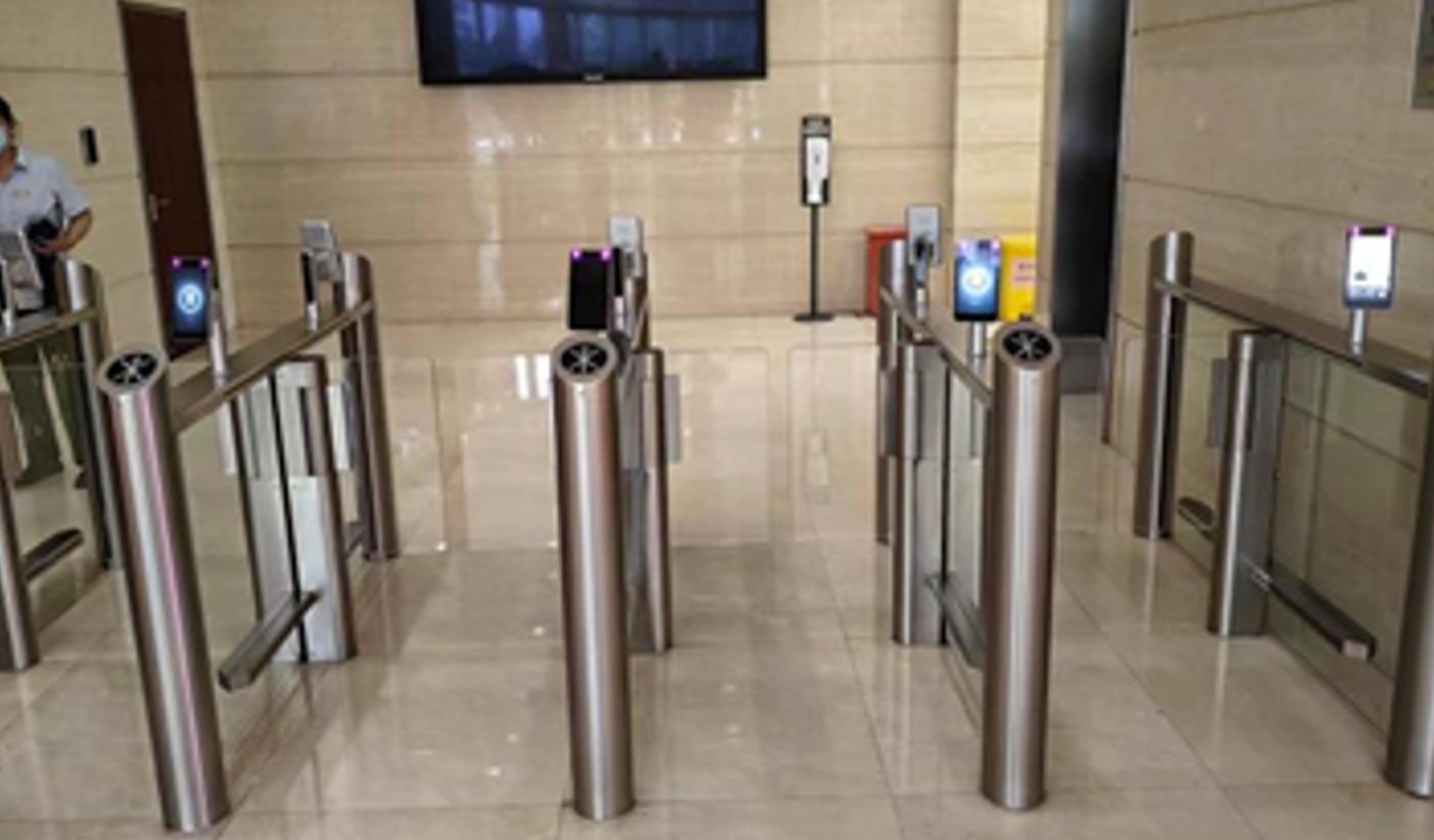
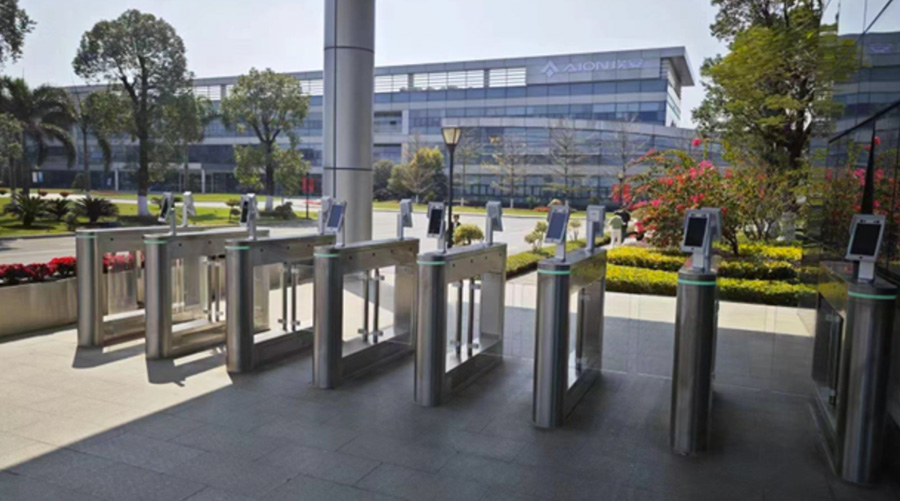
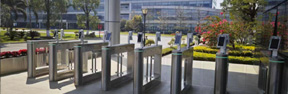
SenseTime provides the SenseLink cluster management system, which adopts a high-availability cluster architecture to connect with upper-layer business platforms. In old and new campuses, at main entrance/exit turnstiles and office areas, more than 1,500 Pass series facial recognition panels have been deployed in total. The cluster solution enables unified management of all terminal devices, distribution of personnel information, and real-time return of access records. Through Open API, it connects multiple internal subsystems of the enterprise, enabling decentralized control of personnel permissions, multi-factor authentication for employees via facial recognition/card, and online appointment-based visitor access. The cluster supports load balancing and horizontal smooth expansion, reserving access capacity for 1,500 new devices in the future.
-
Implementation results
Built an ultra-large-scale single-campus facial recognition access system. More than 1,500 panels have been launched, serving nearly 30,000 employees and daily visitors. It is one of the industry's leading smart access projects in single-campus scale.
Access efficiency has been greatly improved: Employees pass through gates in seconds via facial recognition during peak commuting hours, fundamentally solving the problems of forgetting IC cards and proxy check-ins, and significantly reducing queuing and congestion.
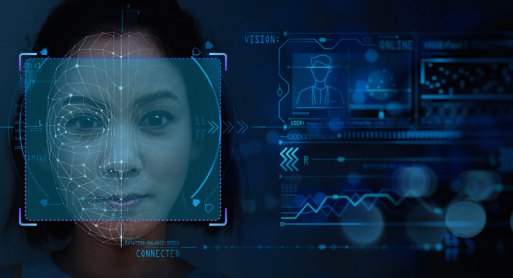
Security level has been significantly enhanced: One person, one face, and liveness detection effectively prevent stranger tailgating and blacklisted individuals.